
I know you were wondering where they might be. I sure was.
Less than a 20-minute drive from the Reggio-Emilia AV train station, men of the Latteria Valle are beginning their days before 6am in order to create 24 new wheels of Pamigiano Reggiano cheese every single day of the year. They’re pouring fresh milk into copper vats, slicing 200-lb slabs of soon-to-be cheese in half, rotating, flipping, slapping and strapping them – all by noon.
I know because I have seen it.
Claudio, a tour guide from a long line of Parmesan-making Reggians, explains the early morning portion of the process, making it clear that this is a very physical industry. You’ll start to imagine the sort of person who might do this job, aware that it’s no featherweight.
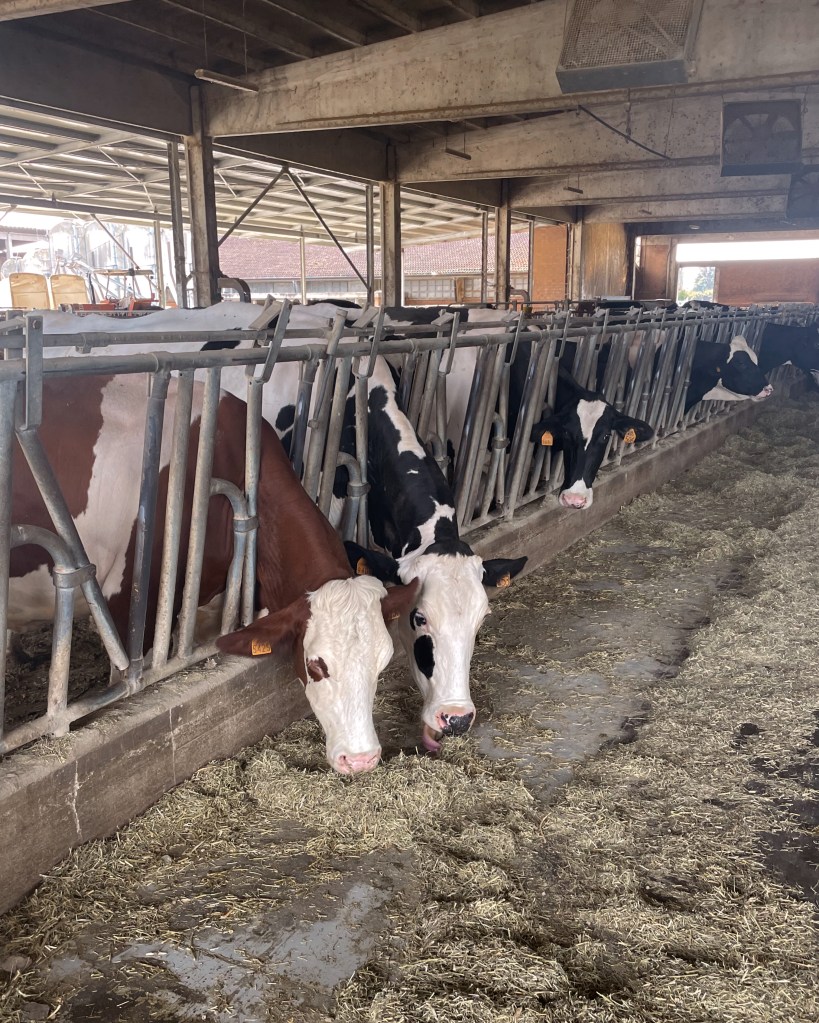
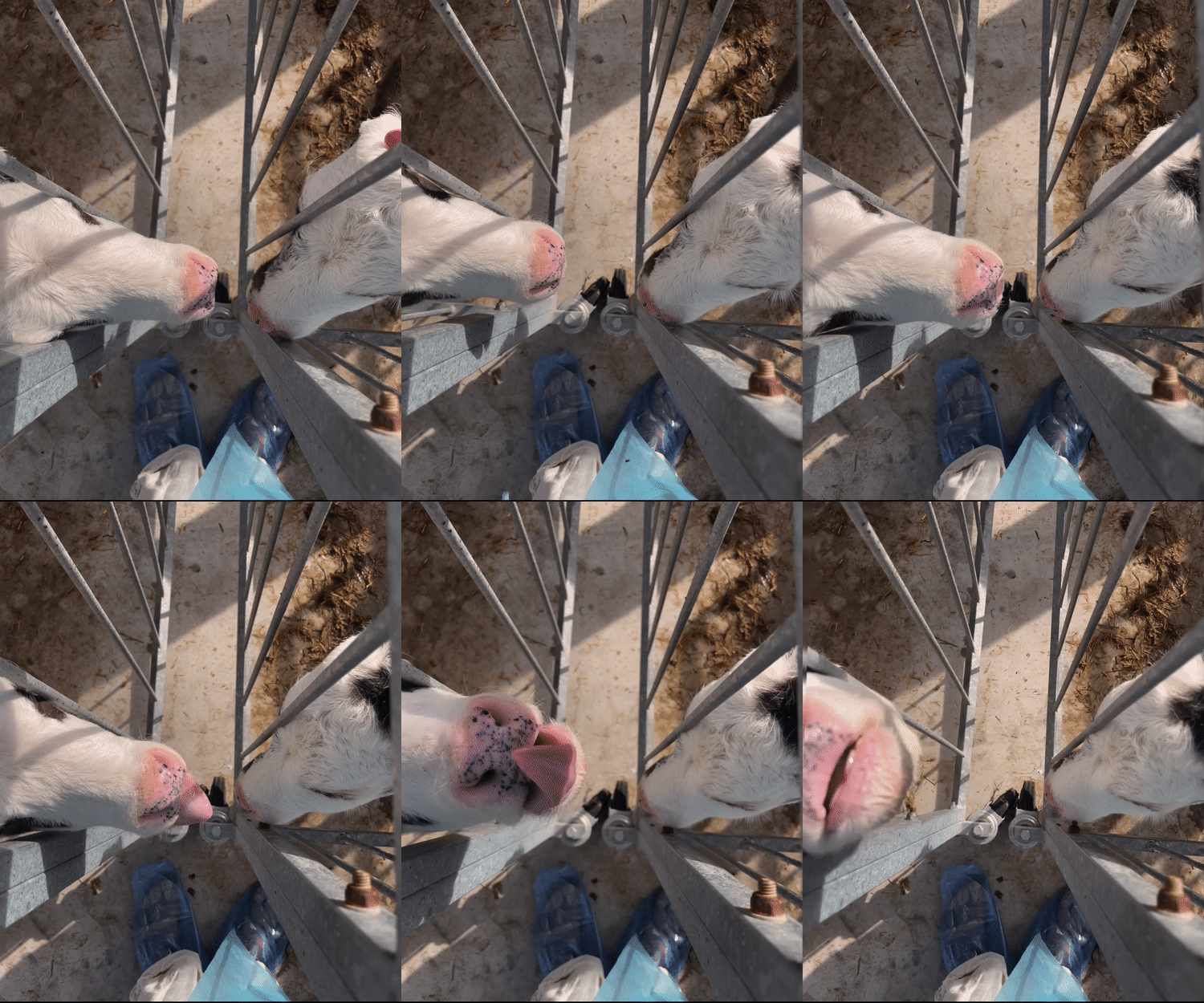
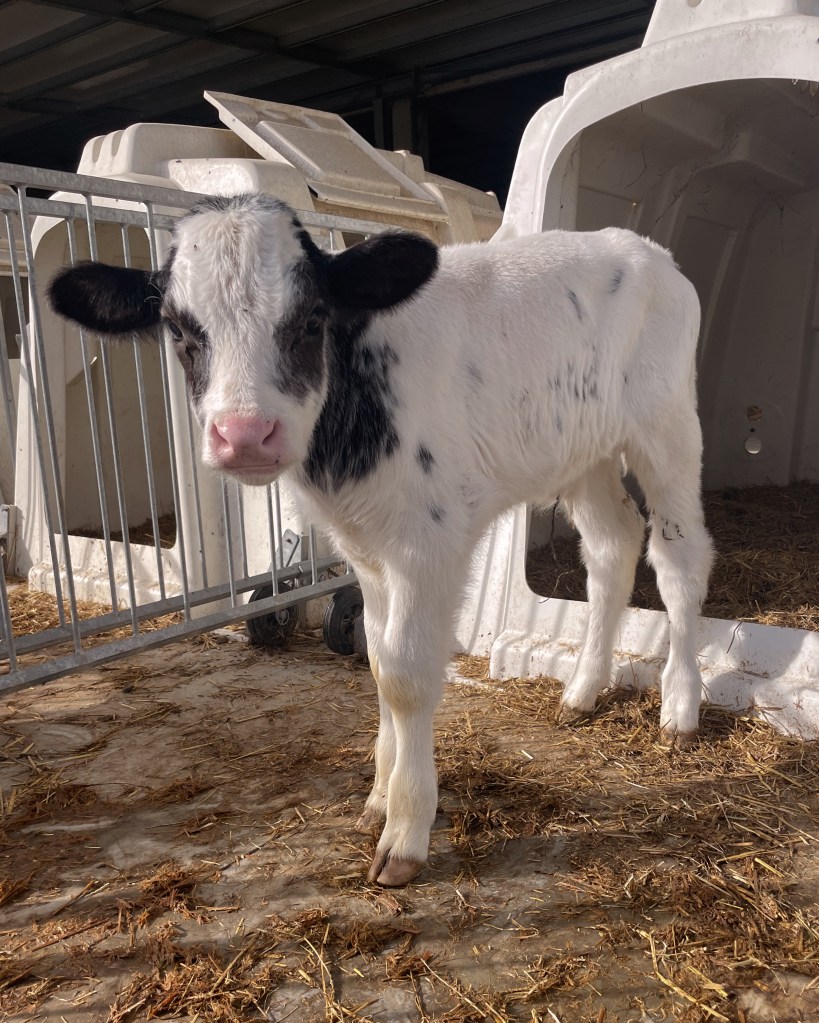
Each wheel of Parmigiano Reggiano starts out as about 550 liters of warm, fresh-from-the-udder milk (plus rennet and whey starter). The cows themselves are fed multiple varietals of high-brow hay and granted access to unlimited massages from a DIY machine in their pens. During 2x daily milkings (5am and 5:30pm) they enjoy music – classical or spa tracks, usually, although sometimes pop. When you go outside to greet the babies, the less shy ones will let you scratch their heads, tongues lolling around in search of a nipple.
An entirely other version of your life flashes before your eyes and burns itself into your retinas.
After demonstrating breaking down the curd with what appears to be an enormous whisk (“spino“), Claudio suggests cupping your hand and leaning into the vat to taste how sweet the milk is. “Splash it,” he says, pantomiming what could be a Clearasil commercial. “It’s good for the wrinkles.”
The cheese process leaves no waste; this siero is not discarded but instead fed to Parma pigs or sold for its soaking benefits. Fine lines? Arriverderci. Sore knee? They can fix that. Could it be that this process involves both brute strength as well as tenderness?
You marvel at this, and your American brain concocts a handful of hustles that could put you toward an Italian retirement sooner. Two men in aprons and white rubber boots enter the room, wordlessly going about this next phase. With a large wooden paddle resembling the sort you’d fetch a pizza with from an oven (except 6′ long), one man levers up a massive round of coagulated almost-cheese so that the other can help him fit a large square of linen cloth underneath it. With a hand on each corner, they work to lift the thing, hefty with the weight of liquid that needs to drain off it, so they can tie it to a pole across the top of the vat, thus keeping it emerged from the liquid. At this point, it weighs somewhere over 200 pounds.
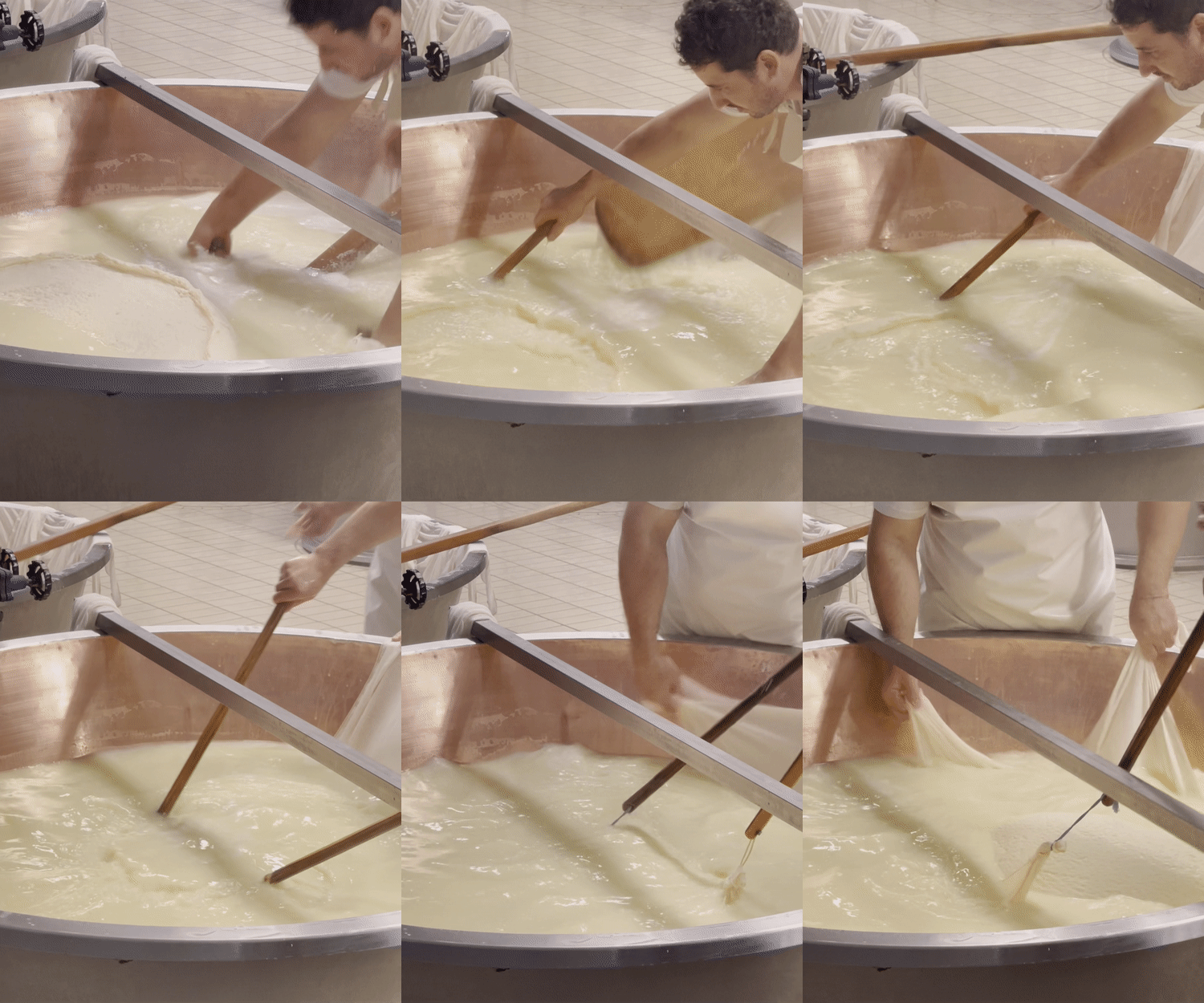
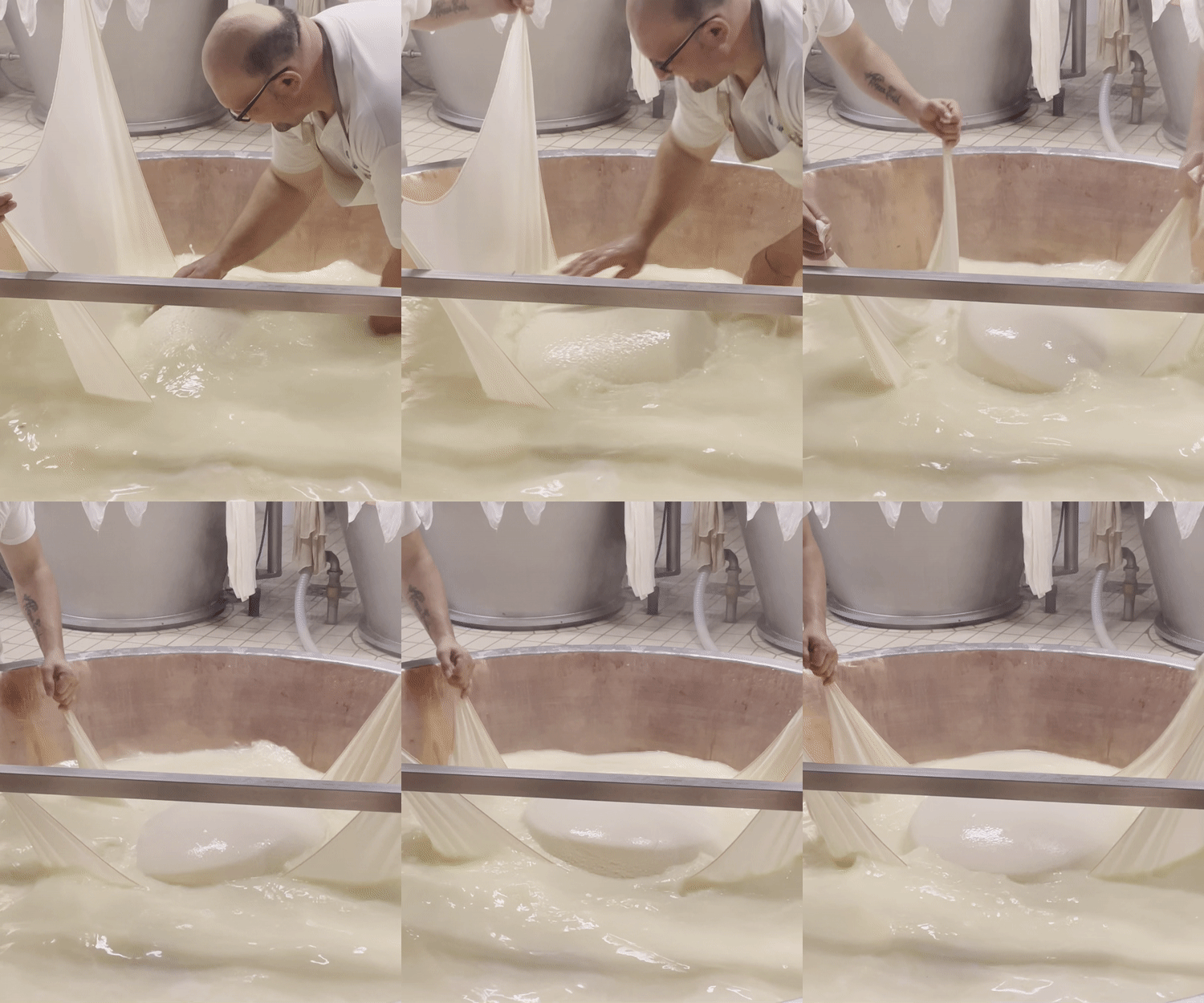
They cut this lump in half. Big, Strong Arms slice it with a dull knife and separate them into linen packages, looking like what the stork must cart when delivering quadruplets. The two “twin babies” will grow up (er, shrink down) to individual wheels of Parmesan cheese.
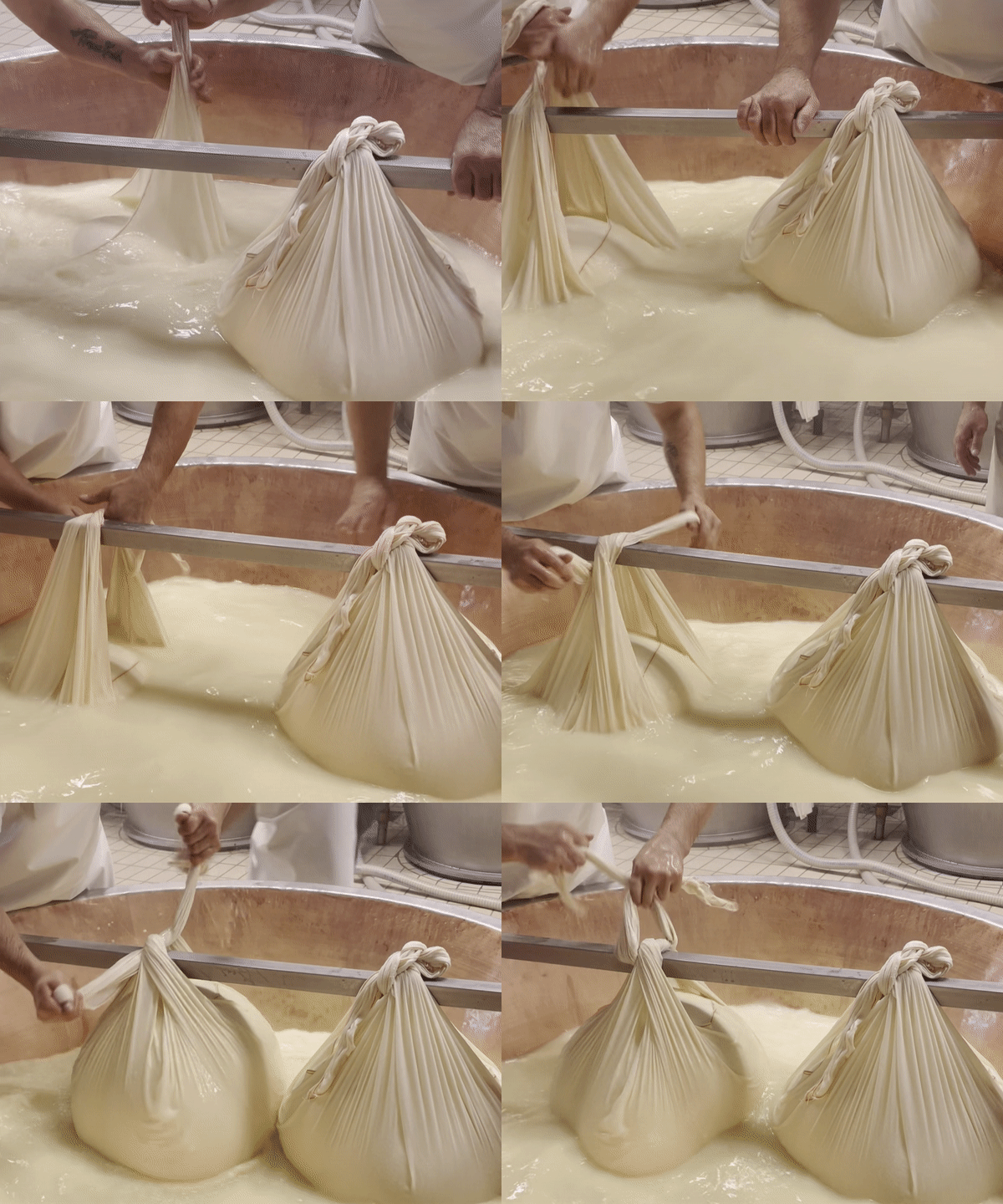
For these men, the process is rote; their strength is routine. For me to witness it is as soothing as a sip of warm, sweet milk served from the palm of my own hand.
Once split, the mounds are hefted up and out, onto a table of plastic forms that will start to shape them into the recognizable wheels they will soon become. The Big, Strong Men are lifting from the waist up, so while you’ve already decided their arms are working hard, you now know that their obliques and lats are, too. (You don’t yet have proof, but you suspect that their legs are also Big and Strong.)
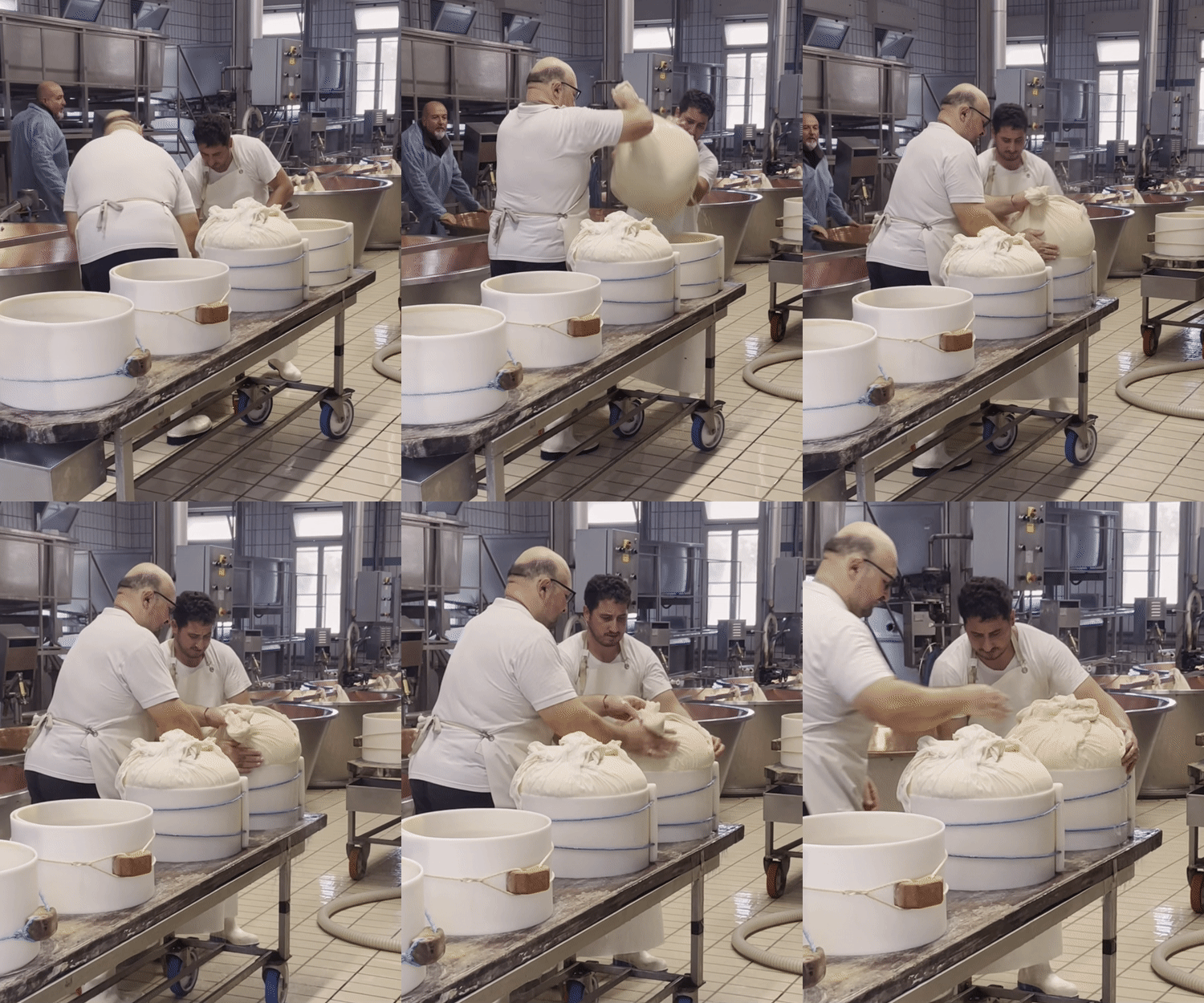
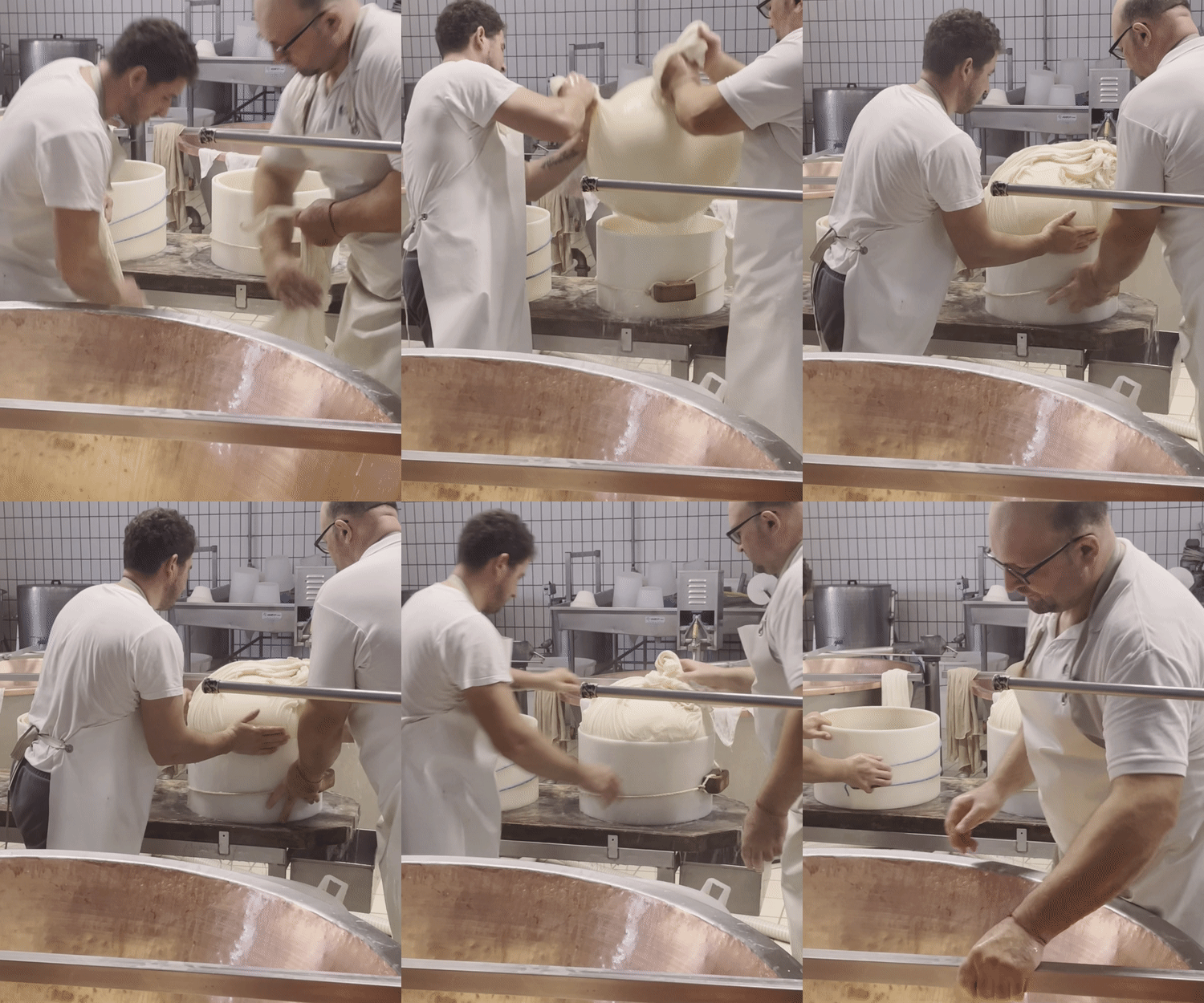
Now begins a restful time as the liquid drains out of the mounds, onto the wooden slabs specially crafted for this purpose, into little metal troughs. A circular piece of wood sits atop each one to help weigh it down move this process along.
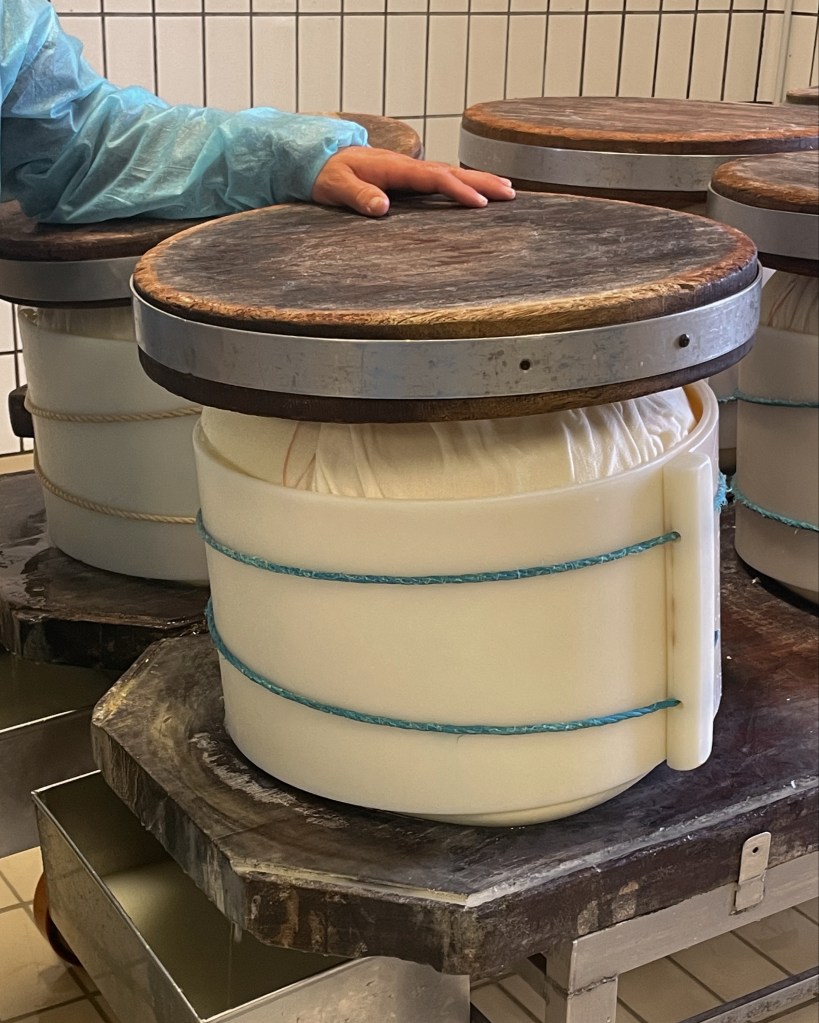
After a few days of draining, followed by 20 days of soaking in a salt bath, the wheels settle around 80 pounds each. Modern advances allow for them to stay submerged in the salt-dense water, freeing up time that would otherwise have been spent hand-rotating the exposed side as they bob along the surface, or measuring the levels of salt and adjusting the water accordingly.
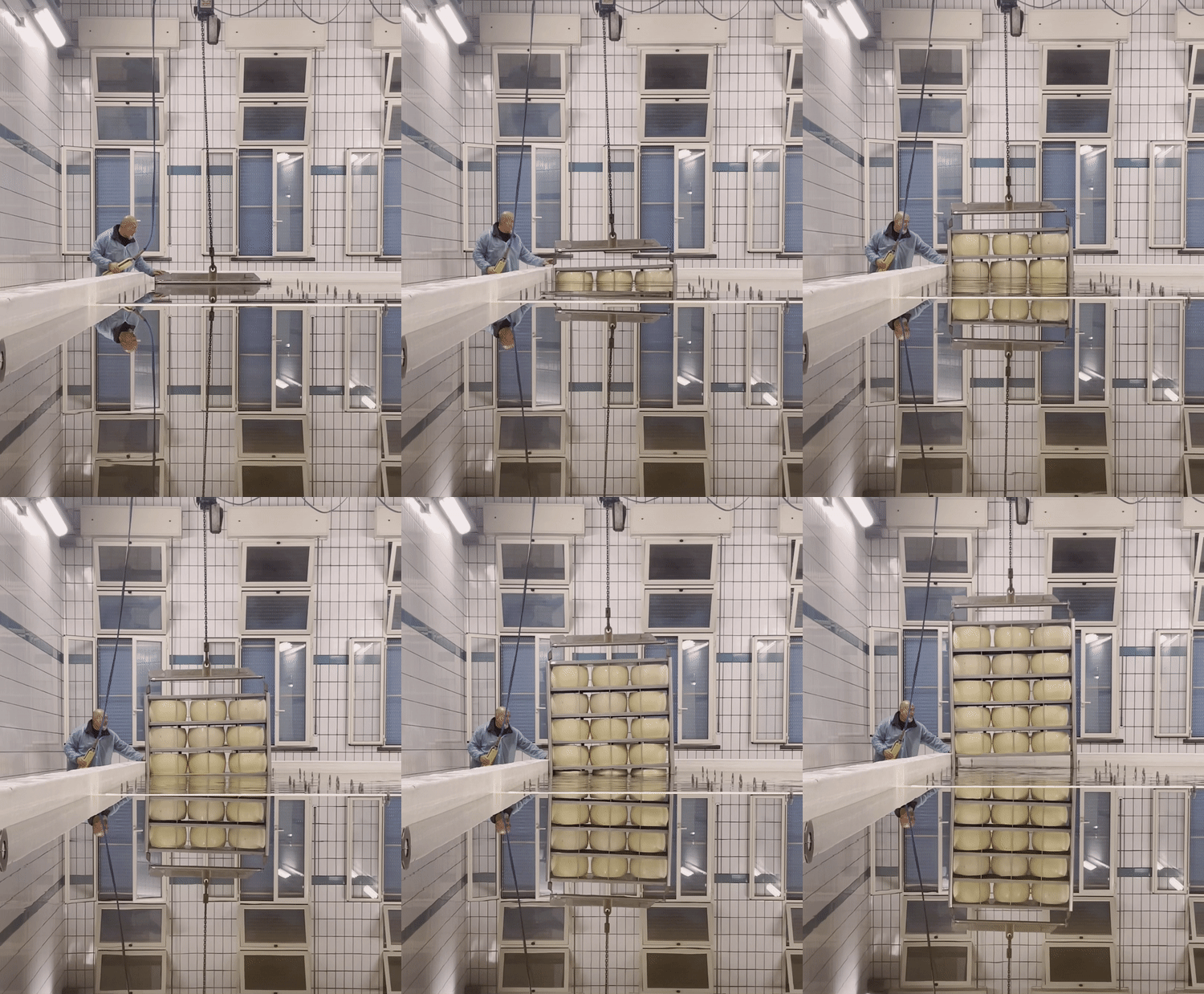
The wheels must now mature for a year or more. At 12 months, a Consortium expert comes by to test each one with a tiny round-tipped hammer, listening for holes. Holes, in Parmigiano Reggiano cheese, signal imperfection, and while not discarded, any imperfect wheels are stripped of their branding marks and sold discounted as such. In the last three years, Latteria Valle had only two fail this test. The conforming wheels are branded with a hot iron, graduating from cheese to certified Parmigiano Reggiano.
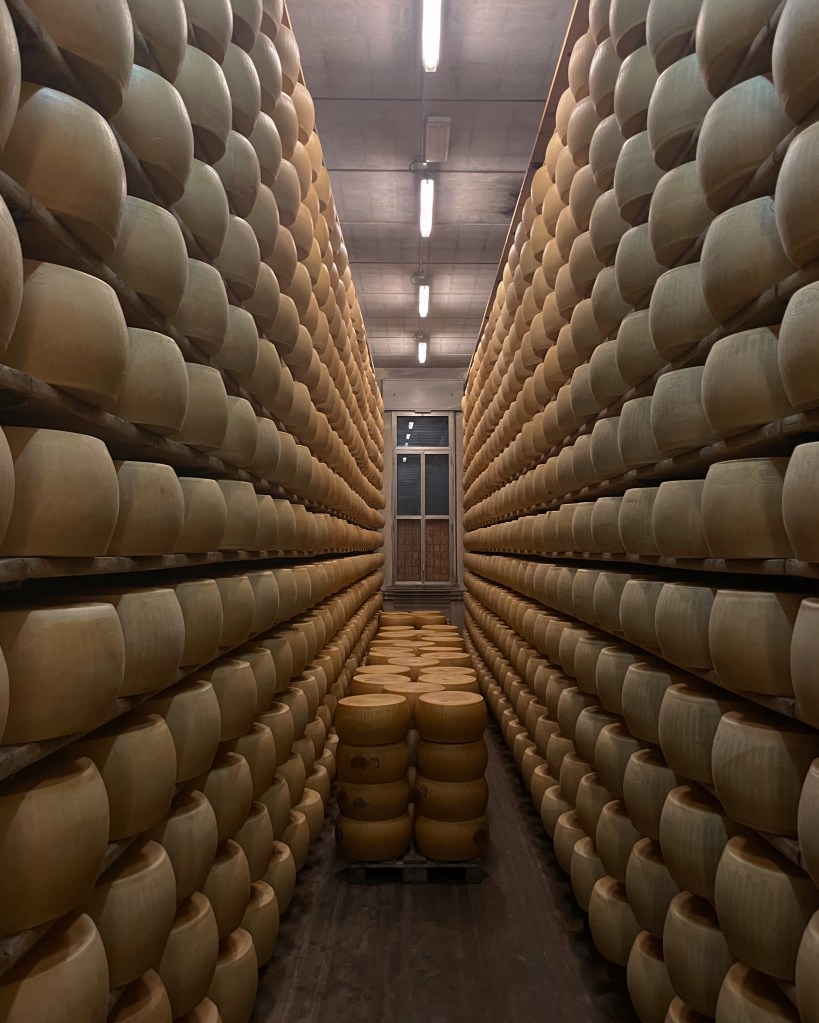
When you enter a room lined with Parmesan wheels in two-wheel-deep stacks 12 rows high and 30 wheels long with overflow, all you can think through the delightfully pungent cheese stink is, “Wow…strong.”
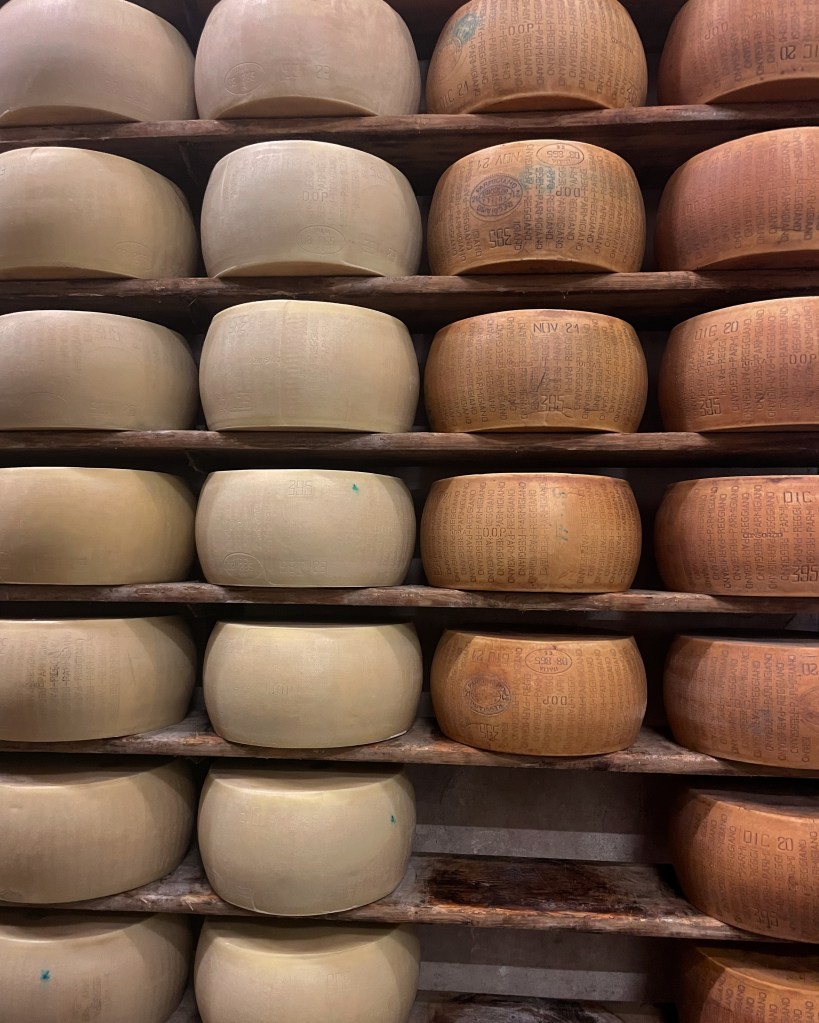
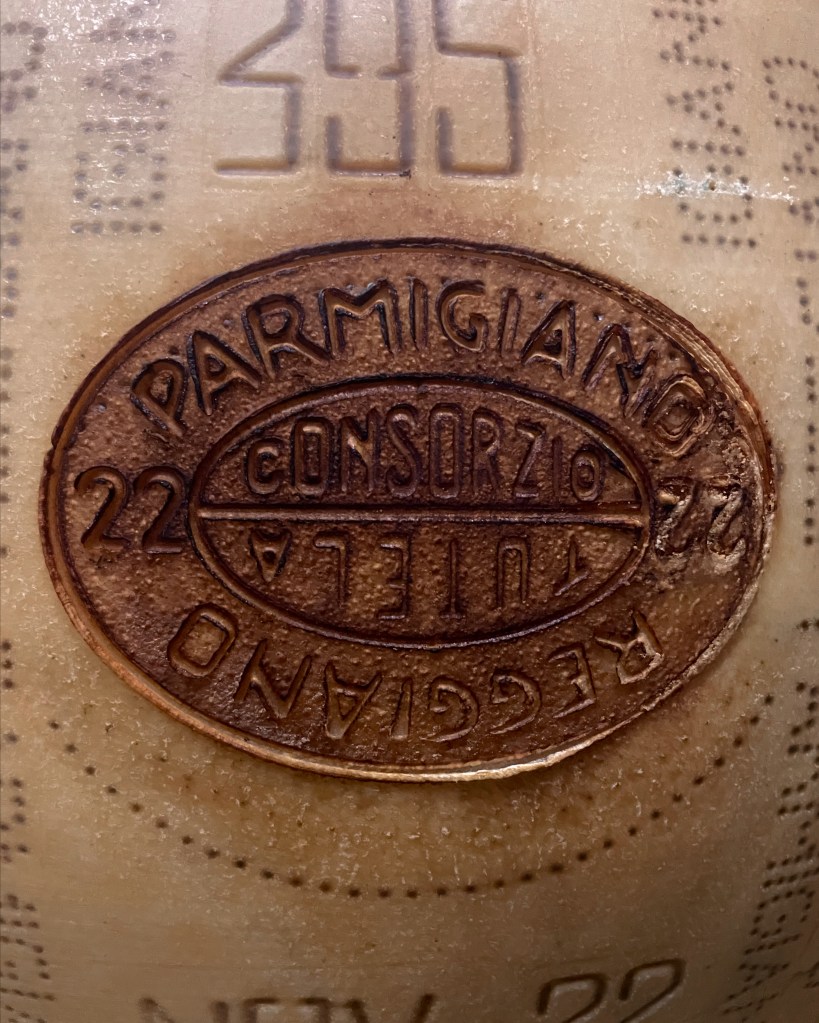
You will never look at Parmesan the same way again. And if you should find yourself at a Whole Foods or another fine purveyor of cheese, and you spot a wheel labeled with a “395,” just know that it was birthed, held, flipped and tested by some very Big, very Strong Men.
I know, because I’ve seen it.
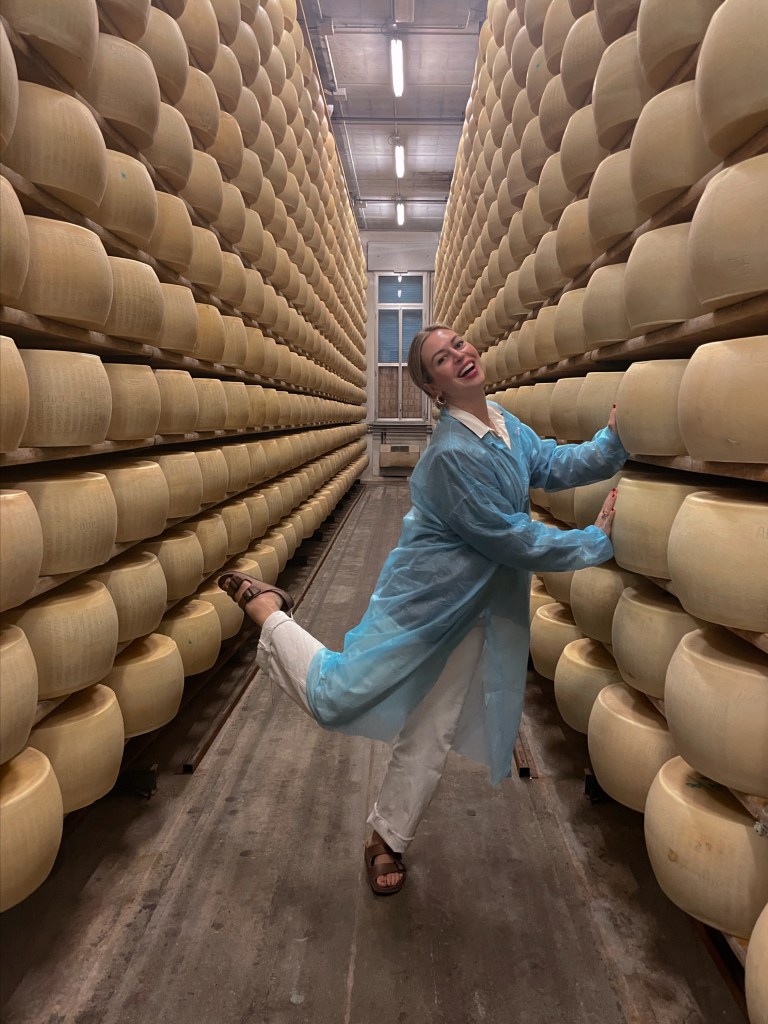
(I think you can tell that I loved this tour. The food was delicious, the information was fascinating, and Claudio was a real pro and charmer, too. If you’re ever in Florence, Bologna, or anywhere else train-distance from Reggio-Emilia, you should absolutely go. Book it here!)


 LA VIE ROSALEE
Leave a reply to Ruthie Mansfield Cancel reply